
"Think of an untreated sex addict who spends hours every night until the early hours watching pornography on the internet instead of spending that time with their wife or husband... The sex addict's behaviour will cause resentment, destroy trust and create economic insecurities in the family and home." — Christopher Dines, The Kindness Habit
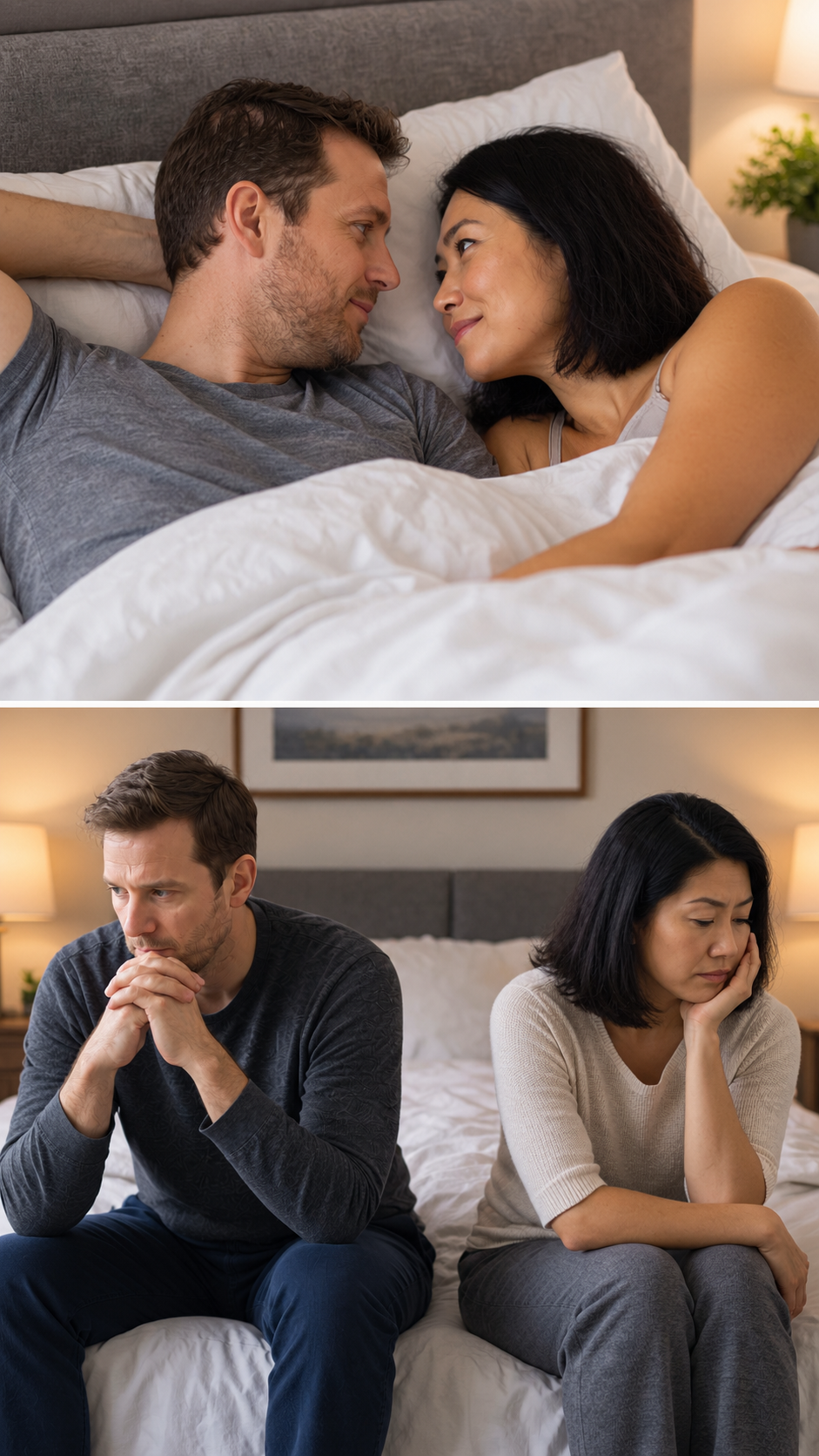
An addiction to sex and pornography is unique in that sex and sexual desire are an innate part of who we are as human beings. The pleasure experienced by engaging in sex and viewing pornography is, at its root, hard wired into our DNA. At their best, sexual behaviors alleviate stress, have numerous positive effects on our physical health and well-being, and can be a pleasurable way to express intimacy, love, and affection for ourselves and those we care about most. The issue that arises is when we find ourselves engaging in sexual behaviors that compromise who we want to see ourselves as people.
While there are many ways sex and pornography addiction can manifest, the telltale sign is that we behave in a way that turns what should be pleasure, into harm. We can harm ourselves and partners by putting physical health at risk of STIs (sexually transmitted infections), legal risk if we are engaging in illegal sexual activities, and our relationships at risk when we engaging in behaviors that either isolate us from them or we have to keep secret to avoid causing others pain, disappointment, or judgement.
It is my belief that at the heart of a sexual addiction is a difficulty with developing and maintaining intimate relationships with others. This is why tackling the issue within the relationship is so important and can provide the maximum benefit. Partners of addicts need to know that they are not responsible for the addicted persons behavior, but they can be a great asset to their recovery process.
It is important to remember that no addict can recover alone and in isolation. We need others to support and hold us accountable for our recovery work and behaviors. This does not mean that individual work is not necessary. Relationship coaching should not take the place of individual therapy or other forms of recovery support such as 12-step and support groups. If you have questions about this, please do not hesitate to ask.